Editor Series: What Is a Proofreader?
I’ve spent this series walking through the people who help turn a manuscript into a book. The developmental editor looks at the big picture. The line editor works sentence by sentence. The copy editor makes sure everything is correct and consistent. There’s one more set of eyes your book needs before it goes out into the world, and that’s the proofreader.
The Proofreader
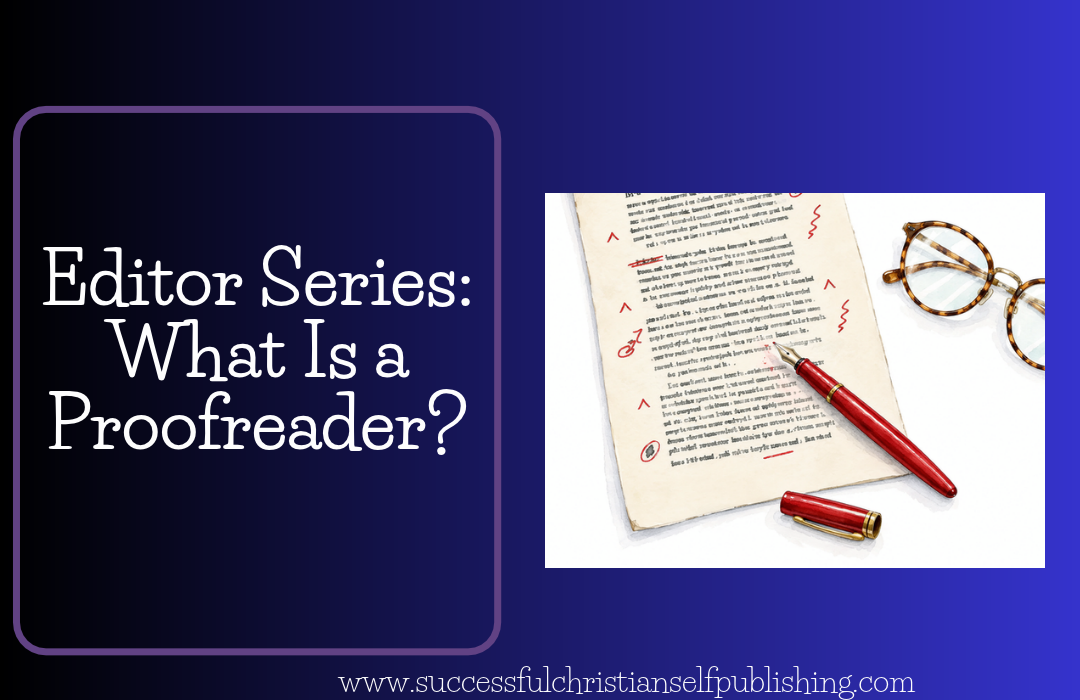
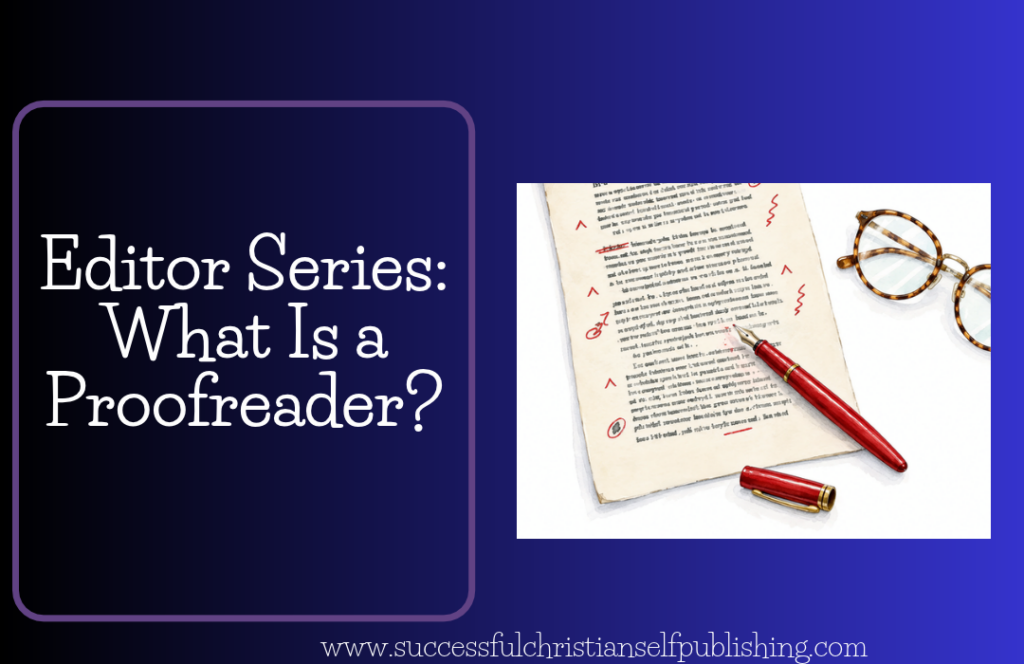
A proofreader is the last person to read your book before readers do. By the time a manuscript reaches proofreading, the story is set, the sentences are polished, and the grammar has been checked. The proofreader’s job isn’t to make the book better. It’s to make sure nothing is wrong.
Traditionally, proofreading happens on the “proof,” the formatted version of the book that looks exactly like what readers will see. That matters, because formatting creates its own mistakes. A proofreader catches things that didn’t exist in your Word document.
A proofreader looks for:
- Typos and misspellings that survived every earlier pass
- Missing or doubled words (“the the” is a classic)
- Punctuation slips, like a missing closing quotation mark
- Inconsistencies, like a character whose eyes are green in chapter two and hazel in chapter nine
- Formatting problems: odd line breaks, widows and orphans, wrong fonts, chapter headings that don’t match
- Page numbers, running heads and the table of contents
- Front and back matter: your copyright page, your other books, your links
Proofreader vs. Copy Editor
People mix these two up all the time. A copy editor works on the manuscript while it can still change, and may suggest rewording a sentence for clarity. A proofreader works on the nearly finished book and makes the smallest possible fix. If a proofreader is finding big problems, the manuscript went to proofreading too soon.
Why You Still Need One
Here’s the truth I’ve learned over every book I’ve written: no matter how many times I read my own work, my brain fills in what I meant to write. By the end of a project I know the story so well that I can’t truly see the words on the page anymore. Fresh eyes catch what mine slide right past.
Readers notice, too. One or two typos won’t ruin a book, but a steady trickle pulls readers out of the story. Some will mention it in a review. As self-publishers, we don’t have a publishing house standing behind us, so our books have to hold up on their own.
What If the Budget Is Tight?
A professional proofreader is worth every penny, but I know not everyone can hire one for every book. If that’s where you are, here are a few things that help:
Read it out loud. I’ve written about reading your work out loud before. Your ears catch what your eyes skip. Many word processors will also read your text back to you.
Change how it looks. Send the file to your e-reader or print it in a different font. A new look tricks your brain into reading instead of remembering.
Use advance readers. Your launch team or street team will often spot typos. Give them an easy way to send them to you.
Read the final files. Always look at the actual ebook and the printed proof copy, not just your manuscript. That’s where formatting errors hide.
Wrapping Up the Series
Developmental editor, line editor, copy editor, proofreader. Each one has a different job, and each one helps your book become what God put on your heart to write. You don’t have to do this alone, and you shouldn’t try. Find the people who can help you, build those relationships, and trust the process.
Which of these editors has made the biggest difference in your writing? I’d love to hear about it in the comments.

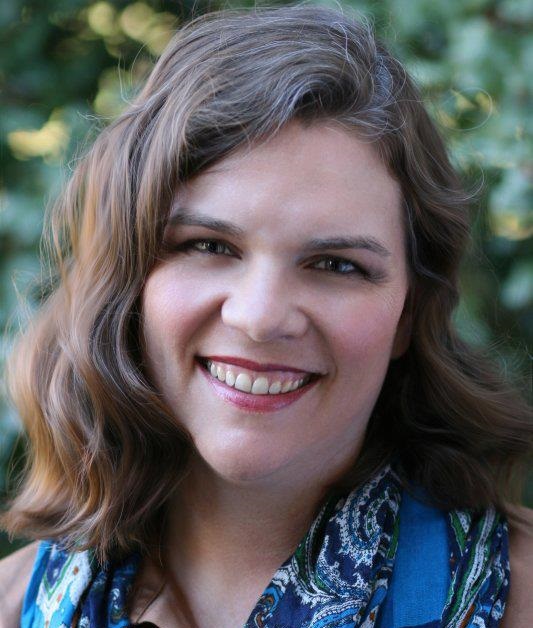
With nearly a million sales, Hallee Bridgeman is aUSA TODAY best-selling and award-winning Christian author who writes action-packed romantic suspense focusing on realistic characters who face real-world problems. Her work has been described as everything from refreshing to heart-stopping exciting and edgy. Hallee has served as the Director of the Kentucky Christian Writers Conference, President of the Faith-Hope-Love chapter of the Romance Writers of America, is a member of the American Christian Fiction Writers (ACFW), the American Christian Writers (ACW), and Novelists, Inc. (NINC). An accomplished speaker, Hallee has taught and inspired writers around the globe, from Sydney, Australia, to Dallas, Texas, to Portland, Oregon, to Washington, D.C., and all places in between. Hallee loves coffee, campy action movies, and regular date nights with her husband. Above all else, she loves God with all of her heart, soul, mind, and strength; has been redeemed by the blood of Christ; and relies on the presence of the Holy Spirit to guide her.